Causes Eczema
For people with sensitive skin, hard water can turn an everyday shower into an ongoing irritation. The minerals in hard water may interact with soaps and the skin barrier in ways that leave skin feeling more stripped, tight, and reactive after bathing.
Families dealing with eczema often notice that flare-ups feel harder to manage when water quality is poor. While water treatment is not a medical cure, it can help reduce one of the daily environmental stressors affecting the skin.
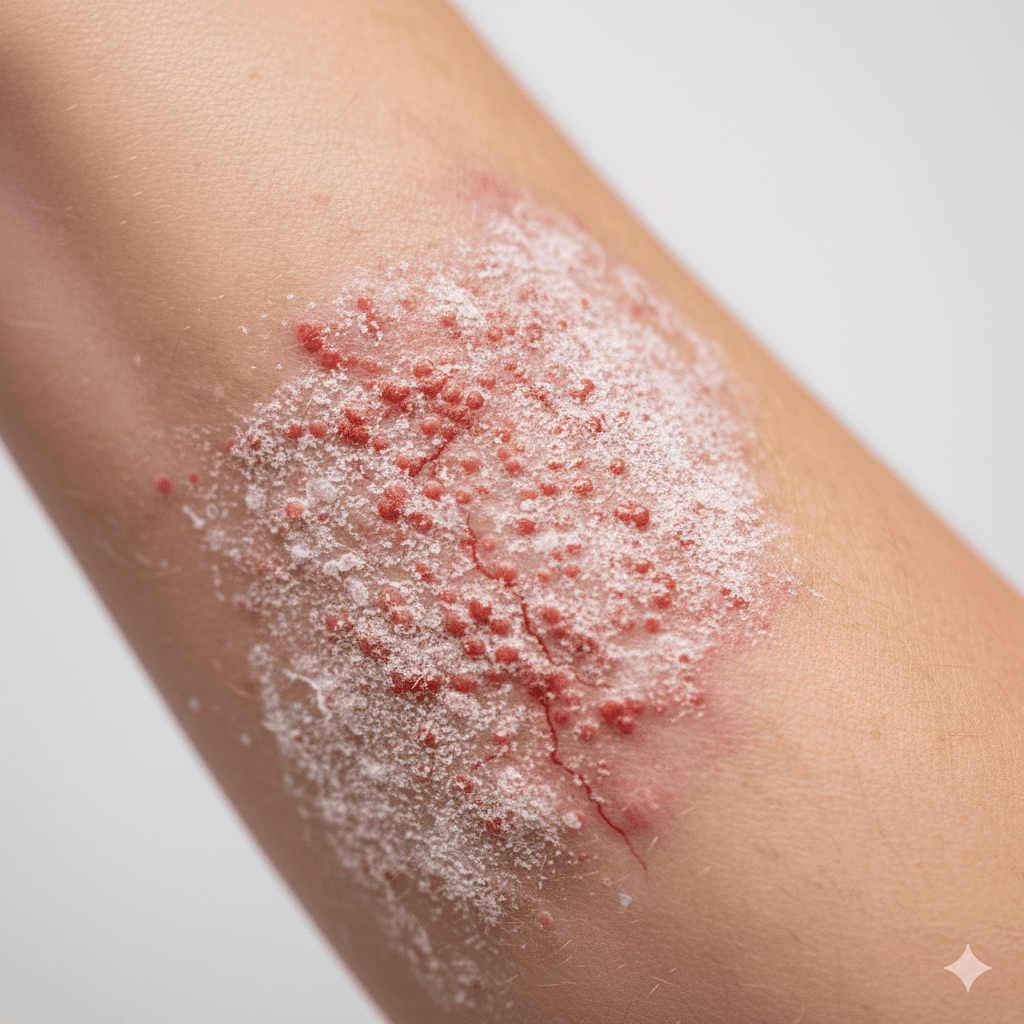
Why hard water can be rough on sensitive skin
Hard water minerals can make it more difficult to rinse soaps and cleansers away completely. That can leave residue on the skin and contribute to irritation, especially for people whose skin barrier is already compromised.
After repeated exposure, some households notice increased dryness, itchiness, or discomfort that seems worse right after washing.
How eczema symptoms may feel worse with hard water
When skin is already prone to inflammation, anything that increases dryness or leaves irritating residue behind can make daily management harder. Bathing may feel less soothing and more aggravating.
Children and adults with eczema often benefit from a home environment that reduces unnecessary skin stress, and water quality can be part of that picture.
Why families look at water softening for skin comfort
Softened water can create a gentler washing experience by reducing the hardness minerals involved in residue and dryness. Many families pursue it as a practical home-comfort upgrade when hard water symptoms are affecting skin, hair, and cleaning all at once.
If eczema concerns are part of a broader hard water problem in the house, a water test can help you understand whether treatment may be worth considering.